
What You Need to Learn in 2026 as a Software Quality Assurance Engineer

A Complete Roadmap for Quality Assurance Professionals
The role of a QA Engineer is evolving faster than ever. In 2026, Quality Assurance is no longer limited to executing test cases or reporting bugs. Modern QA professionals are expected to ensure end-to-end software quality, collaborate deeply with development teams, and adapt to automation, AI, and DevOps-driven workflows.
Whether you are a manual tester, an SQA professional, or planning to upgrade your QA career, this guide explains what you need to learn in 2026 as a QA Engineer to stay relevant and competitive.
1. Strong Foundations in Quality Assurance (QA) and Software Quality Assurance (SQA)
Before advanced tools and trends, core Quality Assurance principles remain non-negotiable.
Must-Know Concepts:
- Difference between Quality Assurance vs Quality Control
- SDLC and STLC with real project mapping
- Defect life cycle
- Verification vs Validation
- Test levels and test types
- Risk-based testing
Why it matters in 2026:
Companies still reject candidates who lack clarity in Software Quality Assurance fundamentals, even if they know tools.
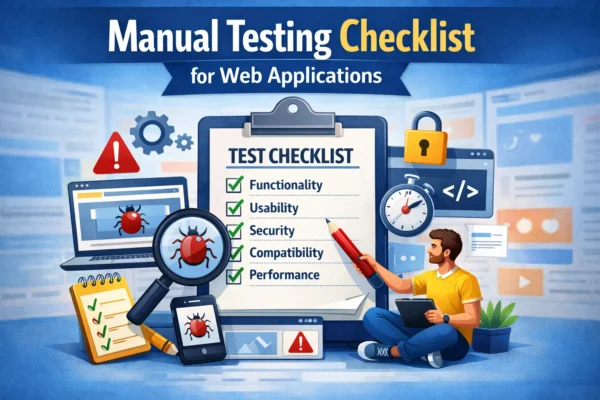
2. Manual Testing Still Matters (But Smarter)
Despite automation growth, manual testing is not dead. In fact, smart manual testers are in high demand.
Manual Testing Skills to Master:
- Requirement analysis and test scenario creation
- Writing effective test cases and test data
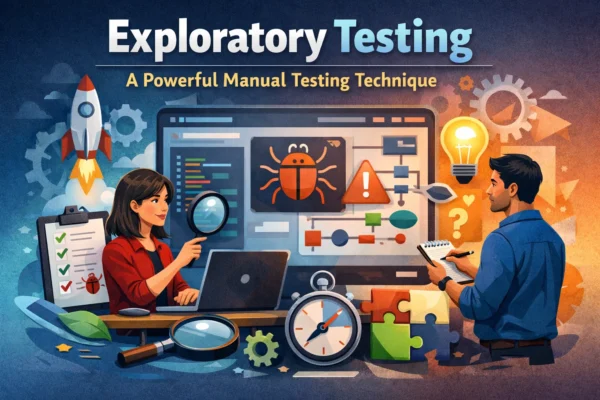
- Exploratory testing
- Usability and user experience (UX) testing
- API testing basics (Postman)
- Mobile and cross-browser testing
SEO Insight:
Search trends show “Manual Testing jobs for freshers” and “Manual Testing interview questions” still rank high.
3. Automation Testing – A Mandatory Skill in 2026
In 2026, automation is not optional for QA engineers.
What to Learn:
- One automation language: Java, Python, or JavaScript
- Automation tools:
- Selenium
- Playwright
- Cypress
- Test automation frameworks
- Page Object Model (POM)
- CI/CD integration
Even if your role is manual testing, automation knowledge increases your salary potential.
4. API Testing and Backend Validation
Modern applications are API-driven. QA engineers must validate data beyond the UI.
Essential API Testing Skills:
- REST APIs fundamentals
- HTTP methods (GET, POST, PUT, DELETE)
- Status codes
- API automation basics
- JSON and request/response validation
Tools to learn:
- Postman
- REST Assured (basic level)
5. Agile and DevOps Understanding
Most organizations in 2026 follow Agile and DevOps models.
Agile QA Skills:
- Sprint planning and grooming participation
- Writing test cases from user stories
- Acceptance criteria validation
- Continuous testing mindset
DevOps Awareness:
- CI/CD pipelines
- Jenkins basics
- Shift-left testing
- Test automation in pipelines
QA engineers are expected to own quality, not wait for a testing phase.
6. AI and Testing – The Future of Quality Assurance
AI will assist QA, not replace it.
What to Learn About AI in Testing:
- AI-based test case generation
- Self-healing automation scripts
- Test data generation using AI
- AI-assisted exploratory testing
QA engineers who understand AI-driven testing tools will have a strong edge in 2026.
7. Performance, Security, and Non-Functional Testing
Functional testing alone is not enough.
High-Value Skills:
- Performance testing basics (JMeter)
- Security testing awareness
- Accessibility testing (WCAG basics)
- Reliability and scalability testing
Companies value QA engineers who think beyond happy paths.
8. Domain Knowledge and Business Understanding
QA engineers in 2026 are expected to understand business workflows, not just features.
Popular Domains:
- Banking & Finance
- E-commerce
- Healthcare
- SaaS products
Knowing the domain helps you:
- Identify real-world defects
- Improve test coverage
- Communicate better with stakeholders
9. Soft Skills and Communication
A technically strong QA engineer can still fail without soft skills.
Essential Soft Skills:
- Clear defect reporting
- Stakeholder communication
- Assertiveness with diplomacy
- Analytical and critical thinking
In 2026, QA engineers are quality advocates, not just testers.
10. Continuous Learning and Certifications
The QA field evolves quickly.
Recommended Certifications:
- ISTQB
- Agile Tester Certification
- Automation certifications
Continuous Learning Areas:
- New testing tools
- Cloud testing
- Microservices testing