
Manual Testing for Startups: Cost vs Value – Why Smart QA Investment Separates Thriving Startups from Struggling Ones
When you’re a startup trying to stretch every dollar of runway, “invest more in QA” isn’t the advice you were hoping for. You’ve got features to ship, investors to impress, and a product-market fit to chase. Testing can wait, right?
Wrong. And the cost of getting this wrong is steeper than most founders realize.
In 2025, software quality isn’t just a technical concern – it’s a business-critical one. A single checkout bug on a Friday evening. A broken API endpoint during a high-traffic product launch. A security vulnerability exposed six months after go-live. These aren’t edge cases. They’re the predictable consequences of treating QA as an afterthought.
The good news? You don’t have to build an in-house testing department to get enterprise-grade quality assurance. Partnering with a specialist like QA and Code gives startups access to professional, scalable software testing services without the overhead of full-time headcount.
Let’s break down what that actually means for your bottom line.
Why Software Testing Is Non-Negotiable for Business Success
There’s a well-documented reality in software development: a bug caught during development costs a fraction of what the same bug costs in production. Industry estimates put the multiplier anywhere from 10x to 100x – accounting for emergency patches, downtime, customer support escalations, and the hardest cost of all to quantify: eroded user trust.
For startups, that math is particularly brutal. You don’t have the brand equity of an established enterprise to absorb a bad experience. One frustrating interaction can send a potential customer straight to a competitor and in the age of App Store reviews and G2 ratings, they’ll tell others on the way out.
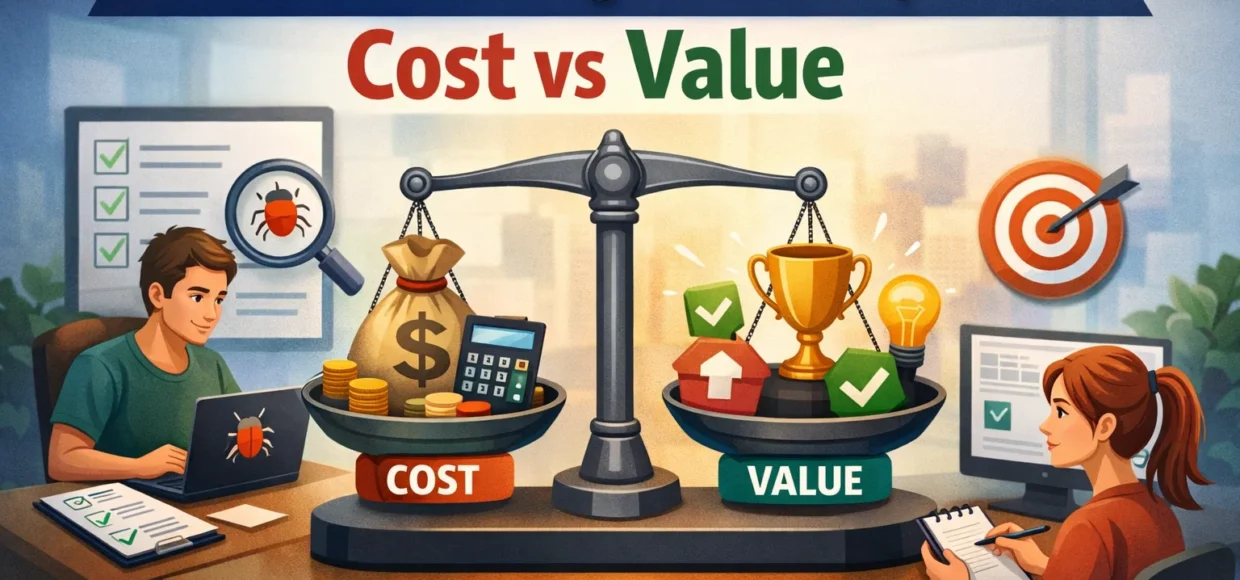
Quality assurance isn’t a cost center. It’s an insurance policy. And like all good insurance, the value is most visible when things go wrong – and most strategic when it prevents them from going wrong in the first place.
The Manual Testing Question: Cost vs. Long-Term Value
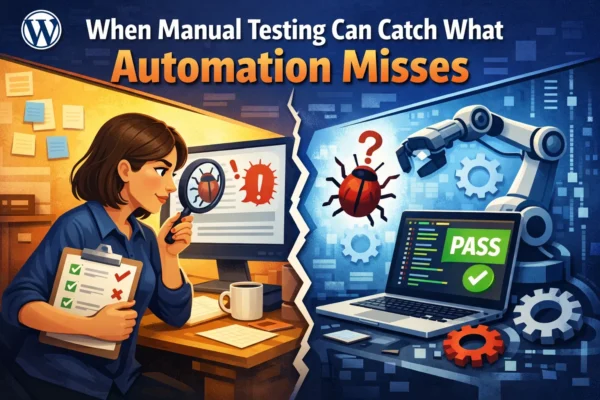
Manual testing services sit at the heart of this conversation for startups. The entry point is accessible – skilled manual testers can execute exploratory sessions, validate user flows, and surface UX issues that automated scripts simply can’t catch.
But here’s where many startups get it wrong: they treat manual testing as a complete strategy rather than one layer of a broader approach.
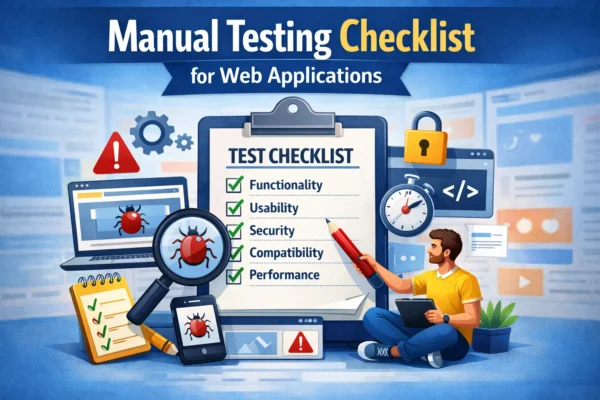
Manual testing delivers exceptional value when applied correctly:
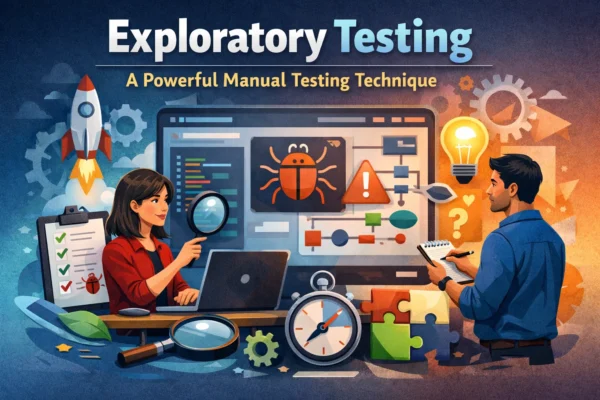
- Exploratory testing for new features where no test script yet exists
- Usability assessment requiring genuine human judgment and empathy
- Edge-case hunting in complex, unpredictable user scenarios
- Pre-launch validation of critical user journeys before go-live
Where it struggles is at scale. If your team is shipping weekly releases and relying solely on manual testers to run the same regression suite before every deployment, you’re creating a bottleneck – and a liability. Human attention drifts. Repetitive tasks get skimmed. Defects slip through not because your tester isn’t skilled, but because that’s the nature of repetitive cognitive work.
The smartest startups use manual testing strategically – for the work that genuinely requires human intuition – while layering in automation for the high-frequency, repeatable validation work.
A Layered Approach: QA and Code’s Full-Service Testing Suite
This is where a specialist QA partner changes the equation entirely. Rather than choosing between manual and automated coverage, QA and Code offers a comprehensive suite of testing services designed to meet startups and growing companies exactly where they are.
Manual Testing
At the foundation is manual testing – structured, expert-led testing that goes beyond checkbox validation. QA and Code’s manual testing team brings genuine product thinking to every session, uncovering the nuanced, experience-breaking issues that matter most to real users.
Automation Testing
For teams running continuous integration pipelines and frequent release cycles, automation testing delivers the speed and repeatability that manual coverage alone cannot. Using industry-leading open-source frameworks, QA and Code builds stable, maintainable test suites that integrate directly into your CI/CD workflow – giving your team fast, reliable feedback before every deployment.
API Testing
Your backend is the backbone of your product. API testing ensures that every integration, data exchange, and endpoint behaves exactly as expected – even under edge-case conditions. For SaaS companies and startups managing third-party integrations, this layer of coverage is non-negotiable.
Mobile App Testing
Building for iOS, Android, or both? Mobile app testing validates performance, usability, and reliability across devices, screen sizes, and operating system versions. With mobile traffic accounting for the majority of digital interactions, this is coverage no startup can afford to skip.
Performance Testing
What happens to your application when traffic spikes? Performance testing simulates real-world load conditions to identify bottlenecks before they become outages. For startups planning a product launch, a marketing campaign, or a seasonal traffic event, this is critical pre-flight validation.
Security Testing
Data breaches don’t just cost money – they cost you the ability to operate. Security testing identifies vulnerabilities in your application before malicious actors do, ensuring that your users’ data, your platform integrity, and your company’s reputation are protected.
The Real Benefits of Partnering With a Professional QA Company
Beyond the individual service capabilities, there are structural advantages to working with a dedicated QA partner that are worth naming clearly.
Cost efficiency without quality compromise. Building an in-house QA team requires recruitment, onboarding, tooling, and management overhead. Outsourcing to a specialist like QA and Code converts that fixed cost into a flexible, scalable engagement – testing as a service that grows with your product.
Faster time to market. When QA is a seamless part of your development cycle rather than a late-stage bottleneck, releases move faster and more confidently. Your team ships knowing that coverage is handled.
Access to specialized expertise. A QA and Code engineer brings cross-industry experience across web, mobile, API, and security domains. That depth of perspective is difficult and expensive to build in-house at an early stage.
Objective quality perspective. Internal teams develop blind spots. An external QA partner brings fresh eyes and no attachment to how the feature was built – only to whether it works correctly for the end user.
Why Choose QA and Code?
In a crowded market of software testing services, what sets QA and Code apart is a combination of technical depth, process maturity, and genuine partnership orientation.
The team at QA and Code works across the full testing spectrum – from exploratory manual sessions to sophisticated automation frameworks – giving clients a single, accountable partner for their entire quality assurance strategy. Services are tailored to the specific needs of each engagement, whether that’s a pre-launch validation sprint for a startup or an ongoing automation program for a scaling SaaS company.
Reliability, scalability, and clear communication aren’t just promises. They’re the operating standard.
Conclusion: Quality Is a Competitive Advantage
Here’s the truth that most startup advice glosses over: your users will test your product whether you want them to or not. The only question is whether you find the bugs first – or they do.
Manual testing, applied strategically as part of a layered QA approach, is one of the highest-ROI investments an early-stage company can make. It protects your brand, accelerates your release cycle, and builds the foundation of trust that turns first-time users into loyal customers.
The startups that treat quality as a core business value – not an optional line item – are the ones that earn the right to scale.
Ready to build software your users can trust?
Contact QA and Code today for a free consultation and discover how a tailored testing strategy can reduce your production risk, accelerate your releases, and give your team the confidence to ship without the “Post-Release Shivers.”